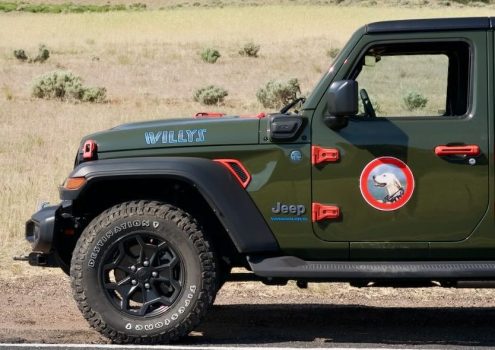
Loop Road, Big Cypress State park, Everglades, Florida
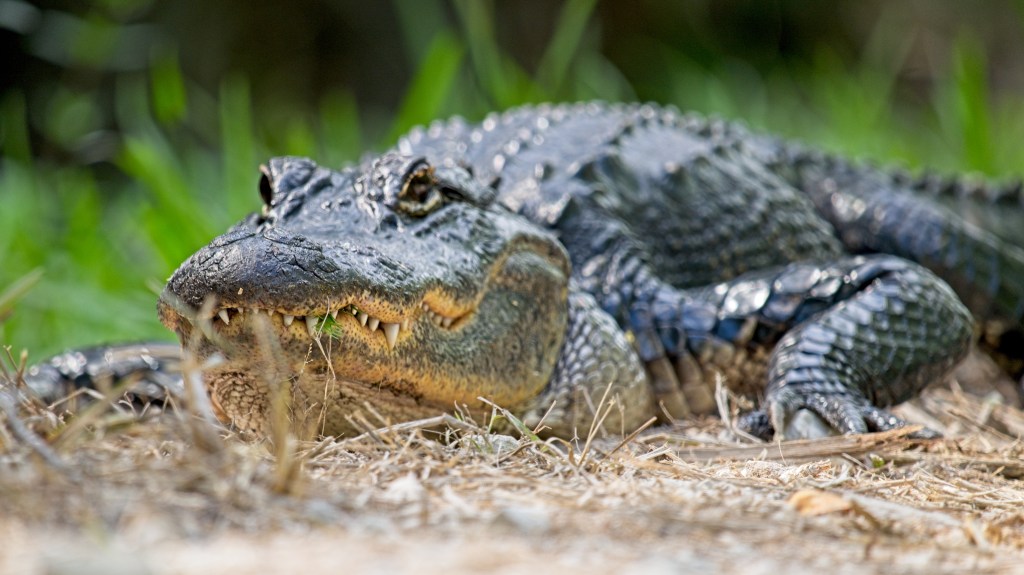
A 20 mile dirt road leads through the unspoiled part of Big Cypress, Aligators sunning on the side of the road, statues maybe. sure feels like it untill you get too close. They are fast, not agressive, thats us trying to get too close !
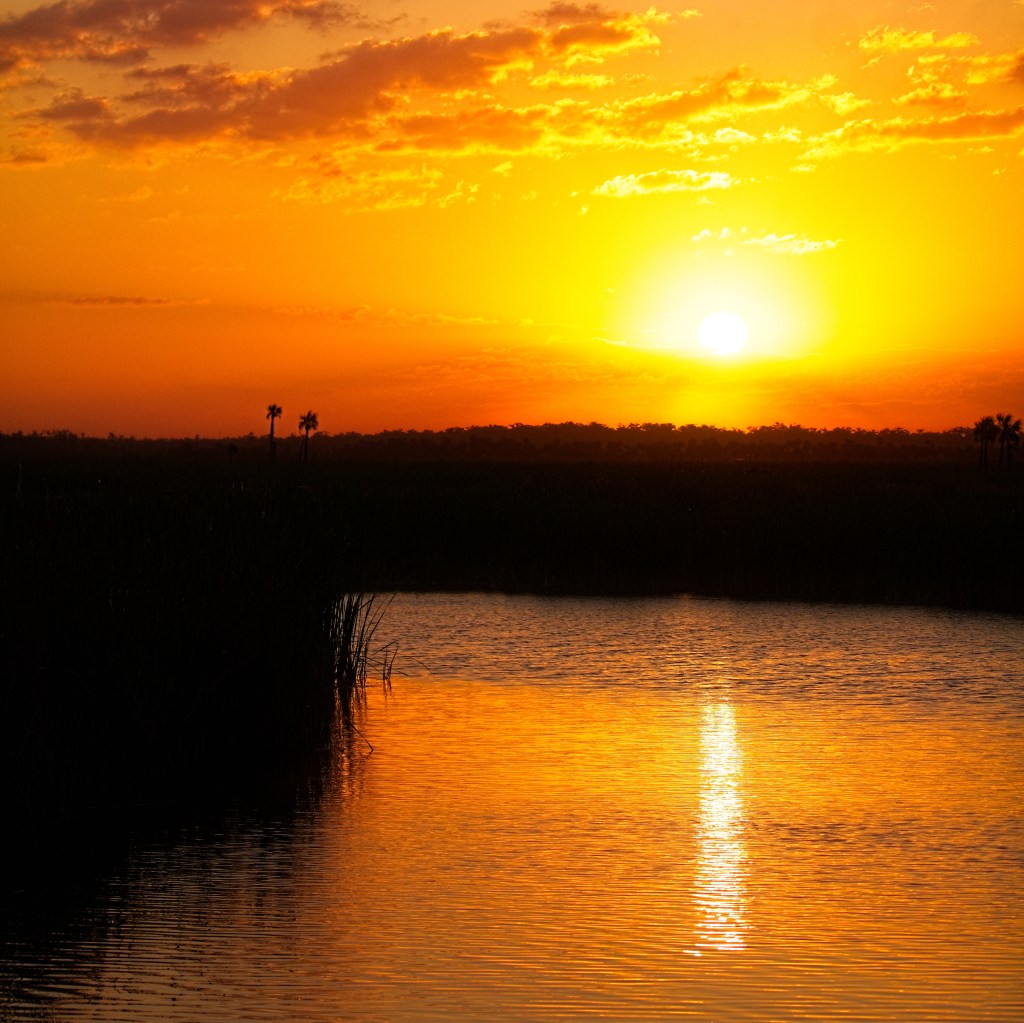
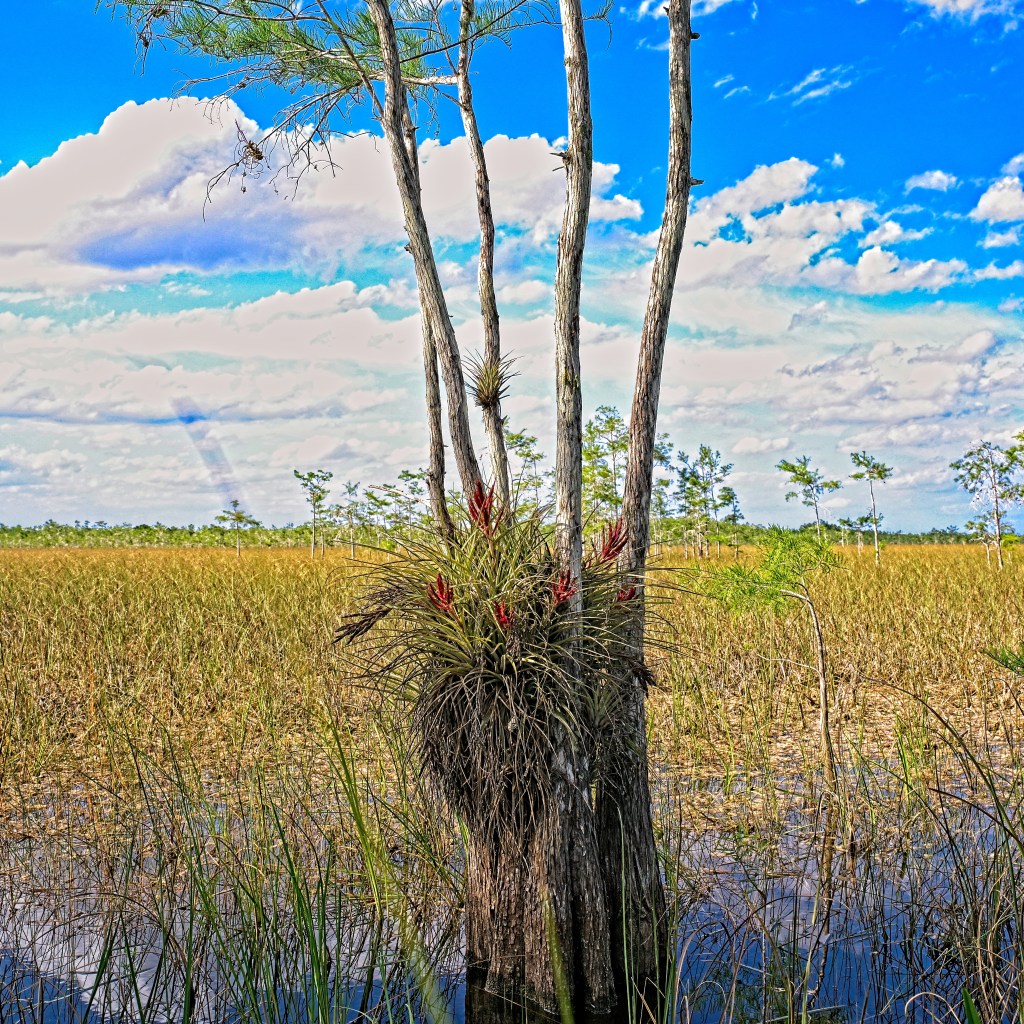
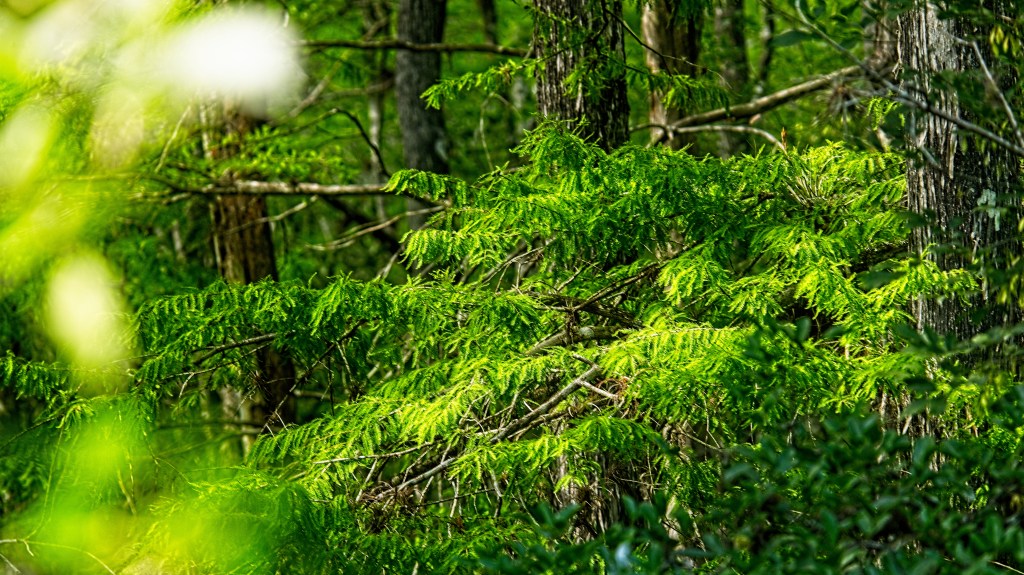
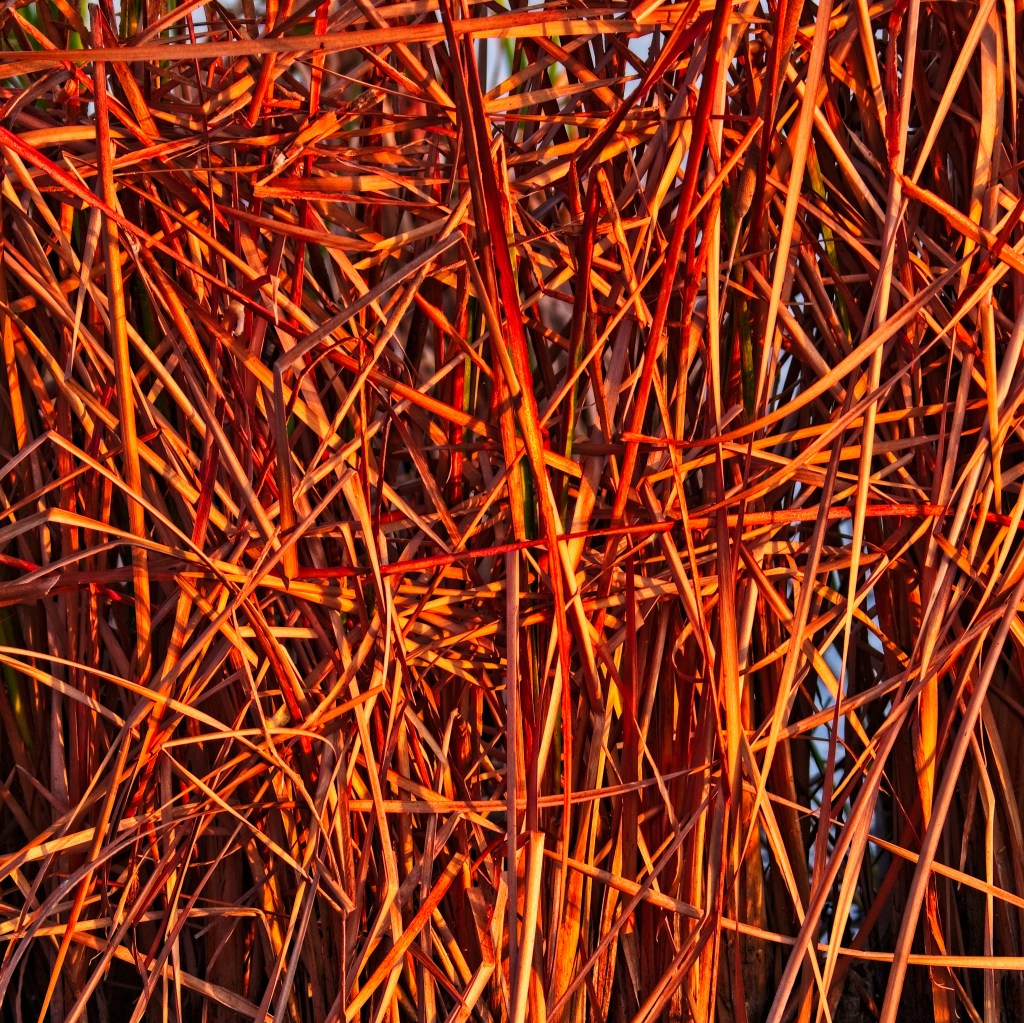

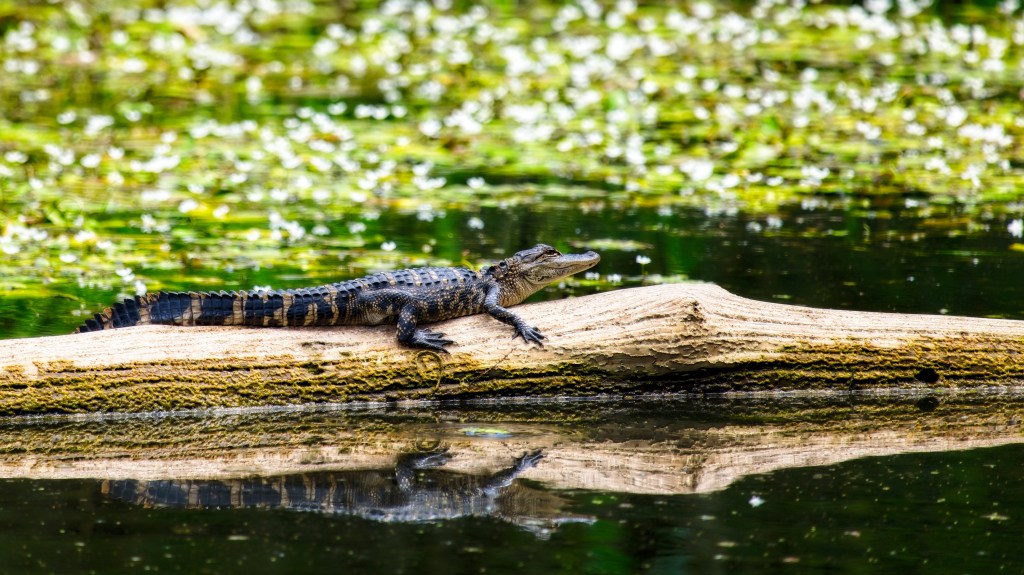
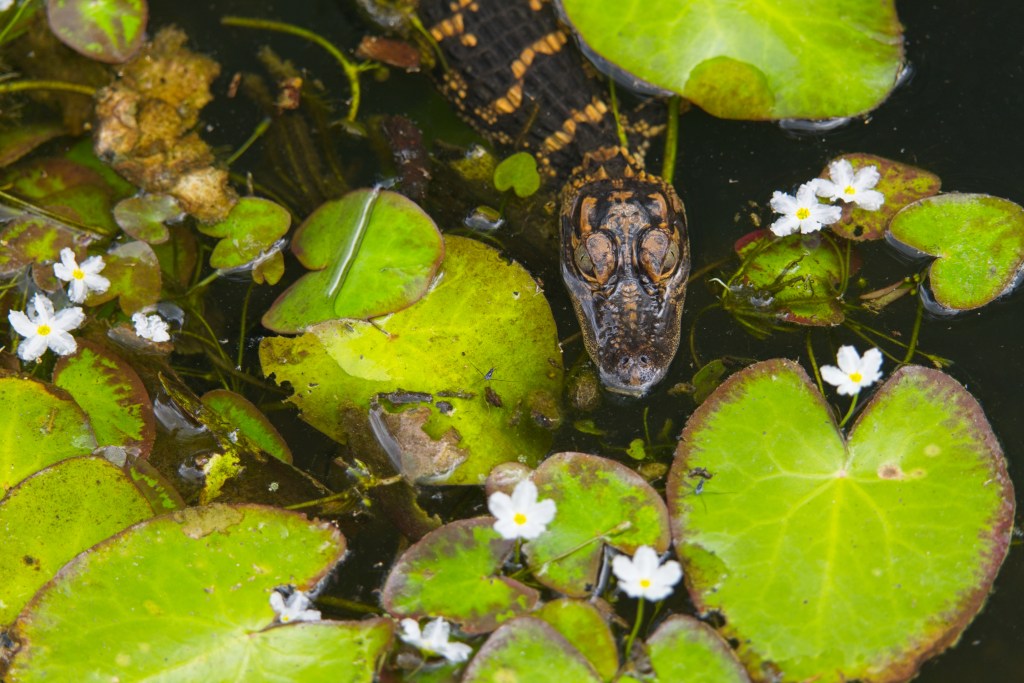
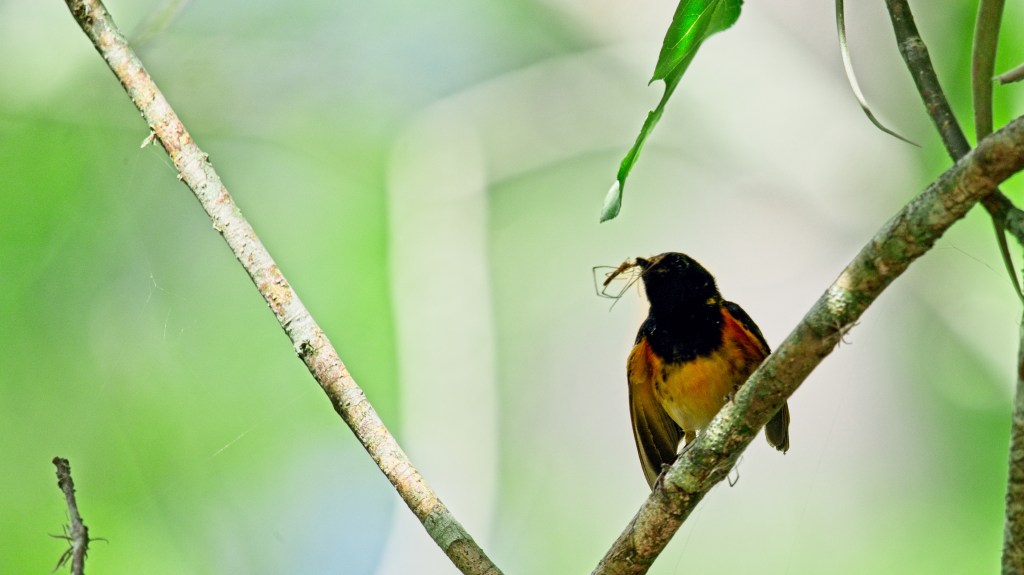
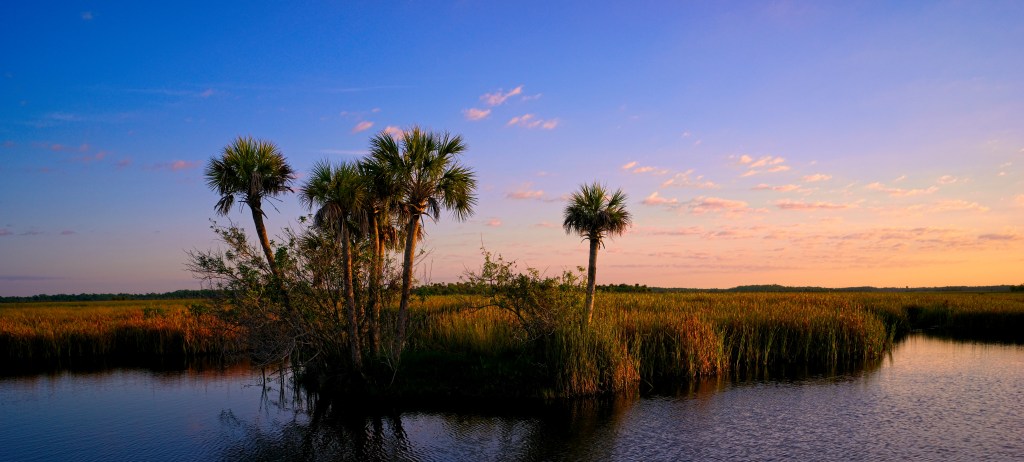

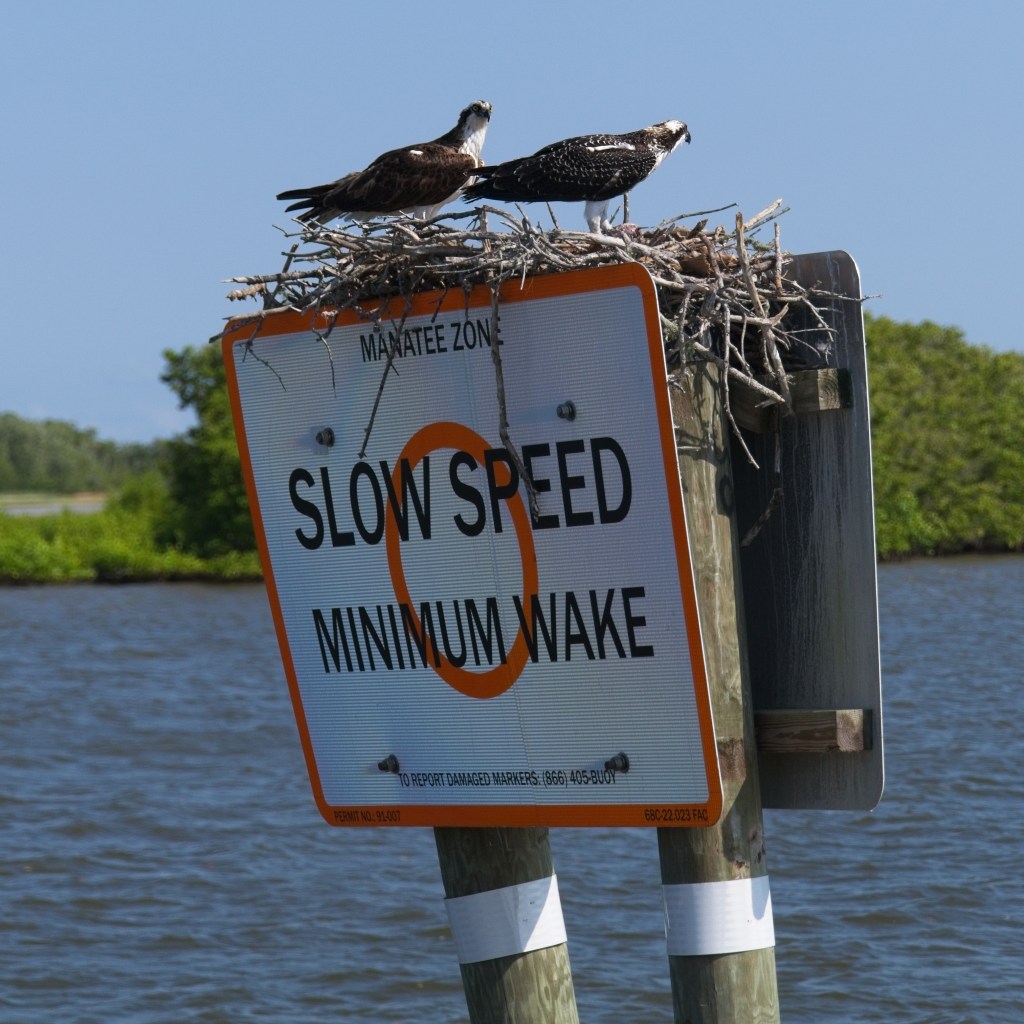
The Everglades today is home to a diverse array of wildlife, including alligators, a variety of bird species such as herons, egrets, and the rare snail kite, as well as the endangered Florida panther. Visitors can also spot dolphins, manatees, and a rich tapestry of marine life in the waters surrounding this unique ecosystem. The Everglades continues to be a haven for nature enthusiasts seeking to observe an abundance of wildlife in their natural habitat.
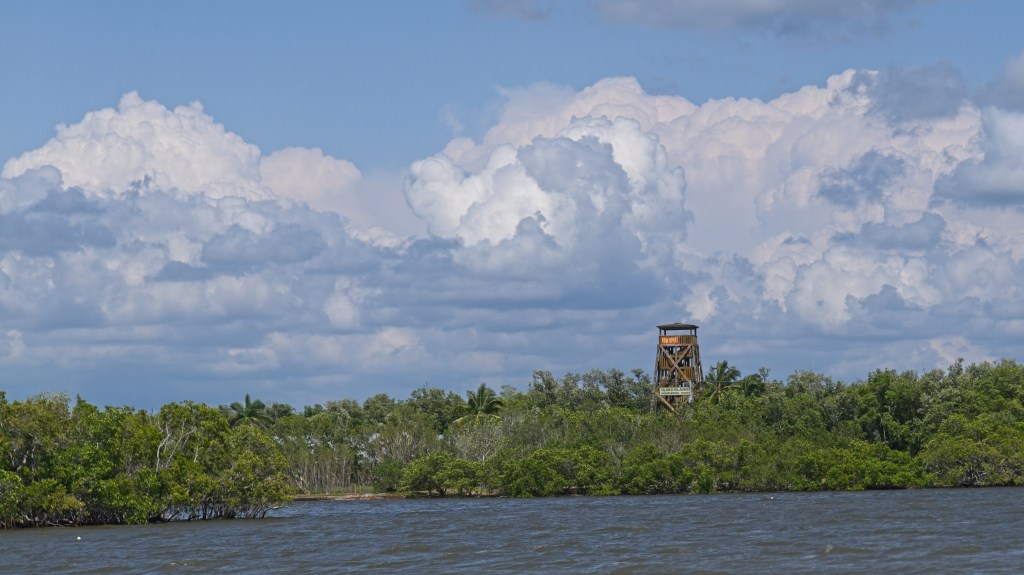
A relaxing couple of hours with Captain”I was born here” to navigate the Baron River and get a glimpse of the thousand Islands wildlife refuge. Many dolphins, great calm water and mangrove islands. A great place to get lost in !
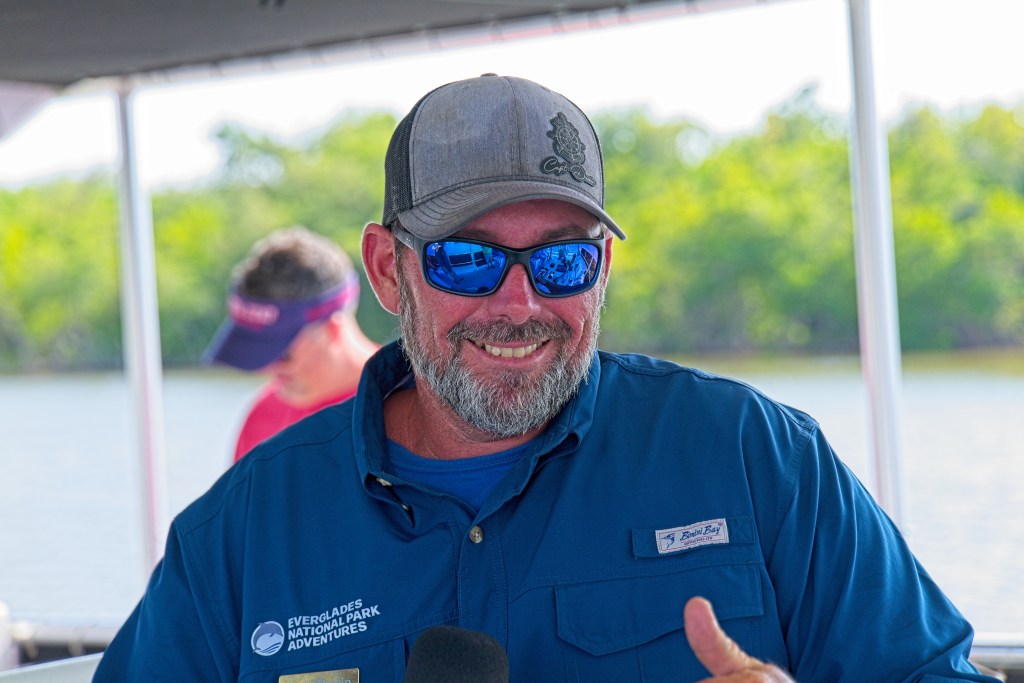
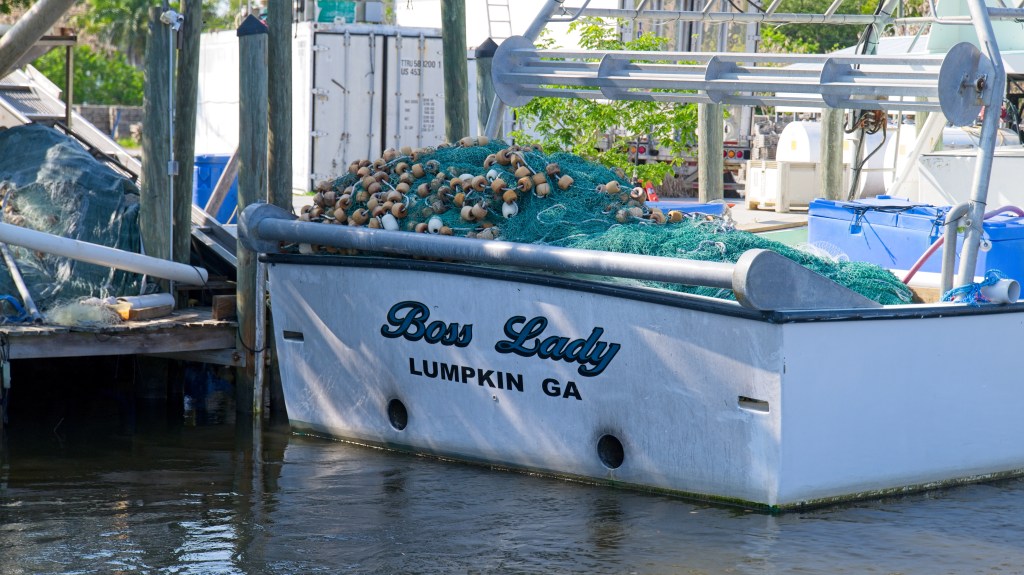
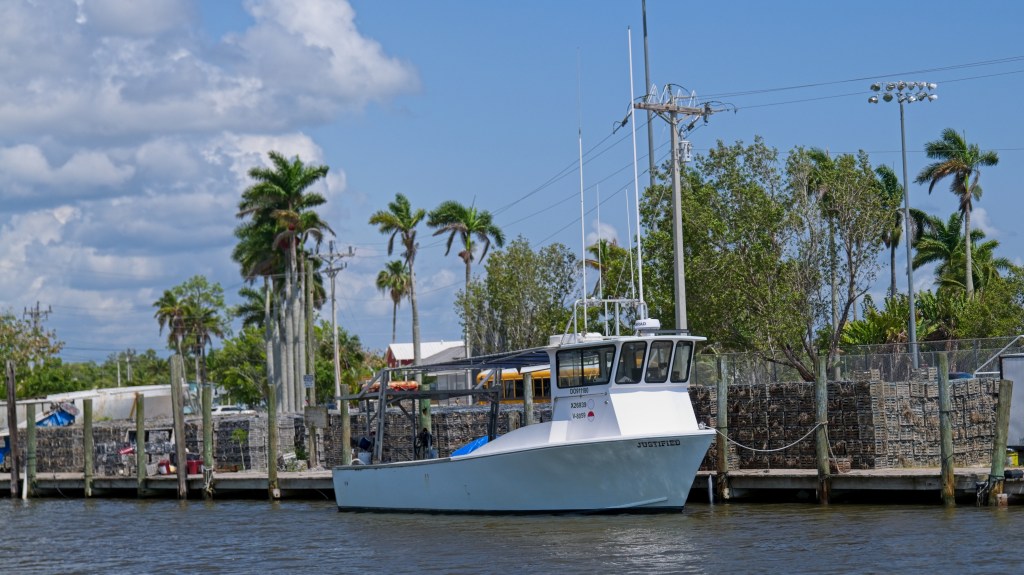
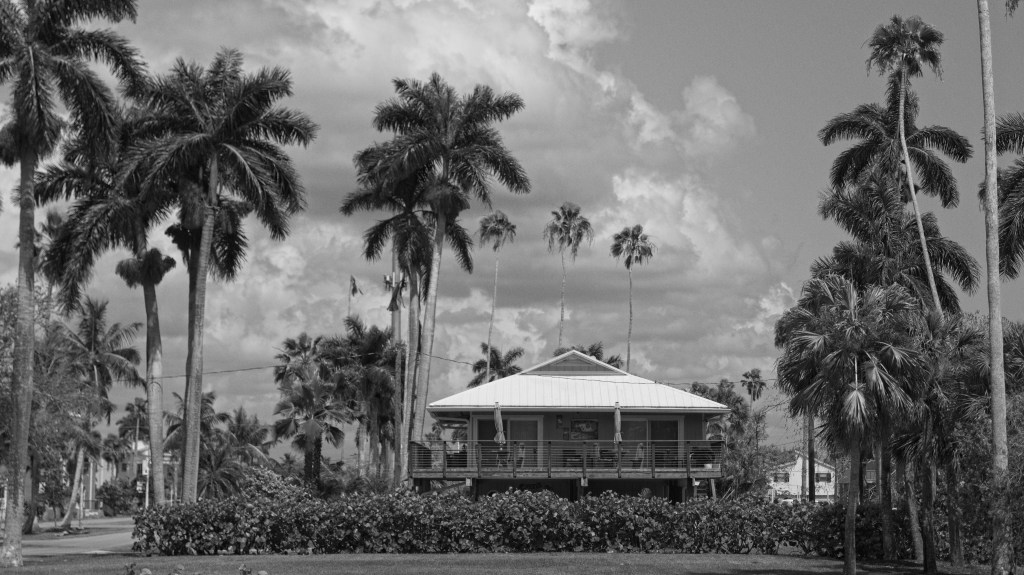
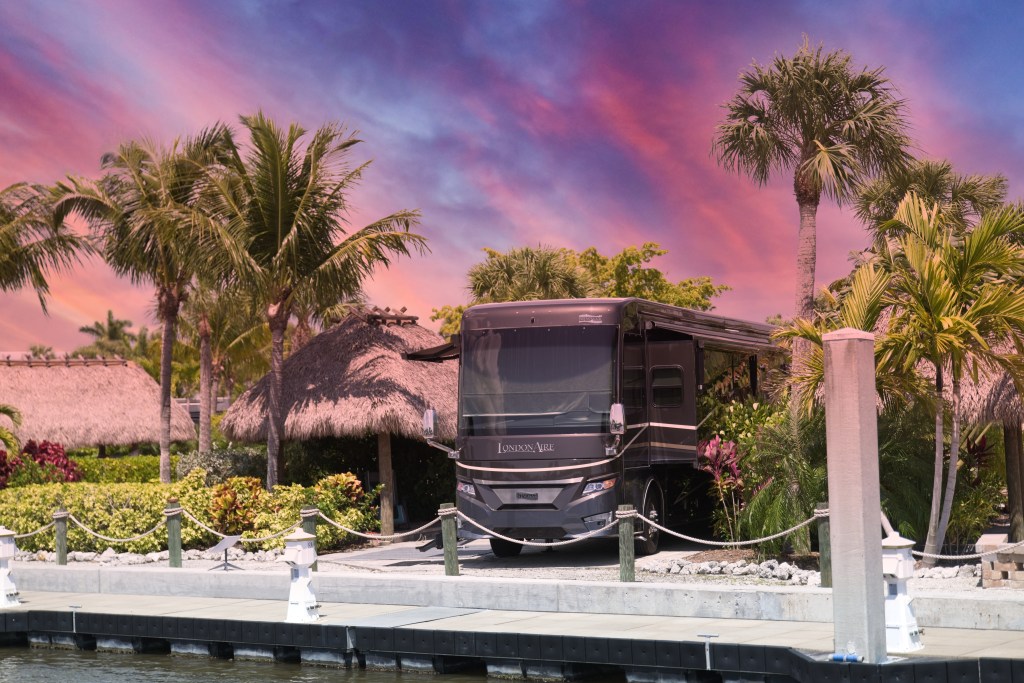
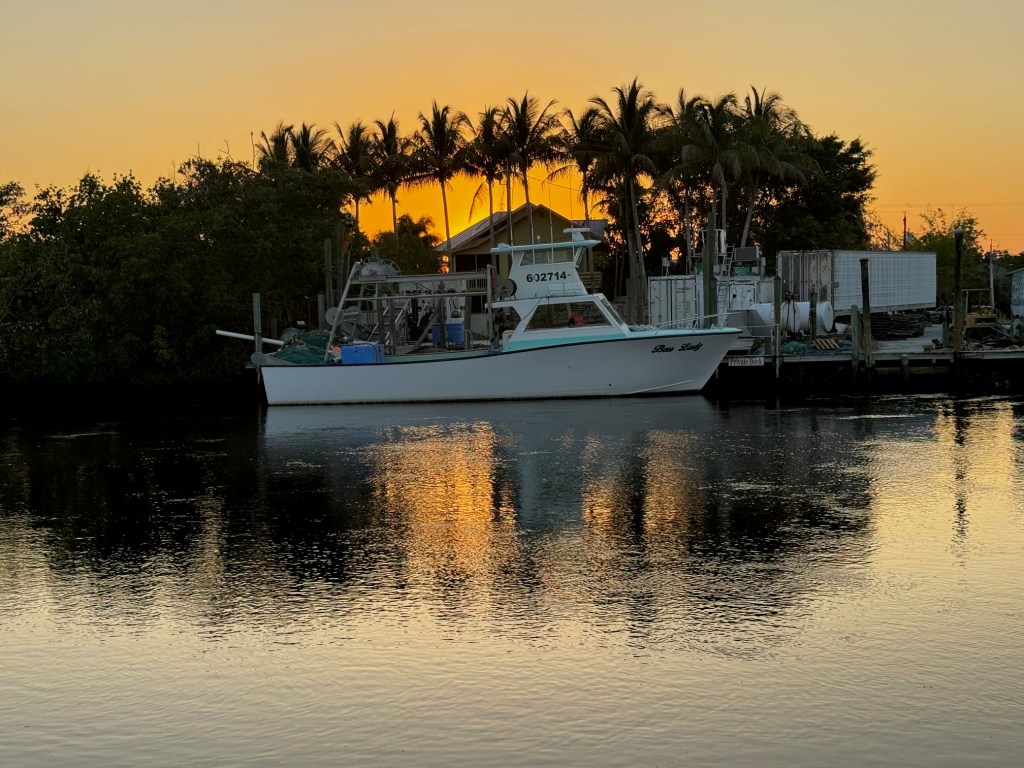
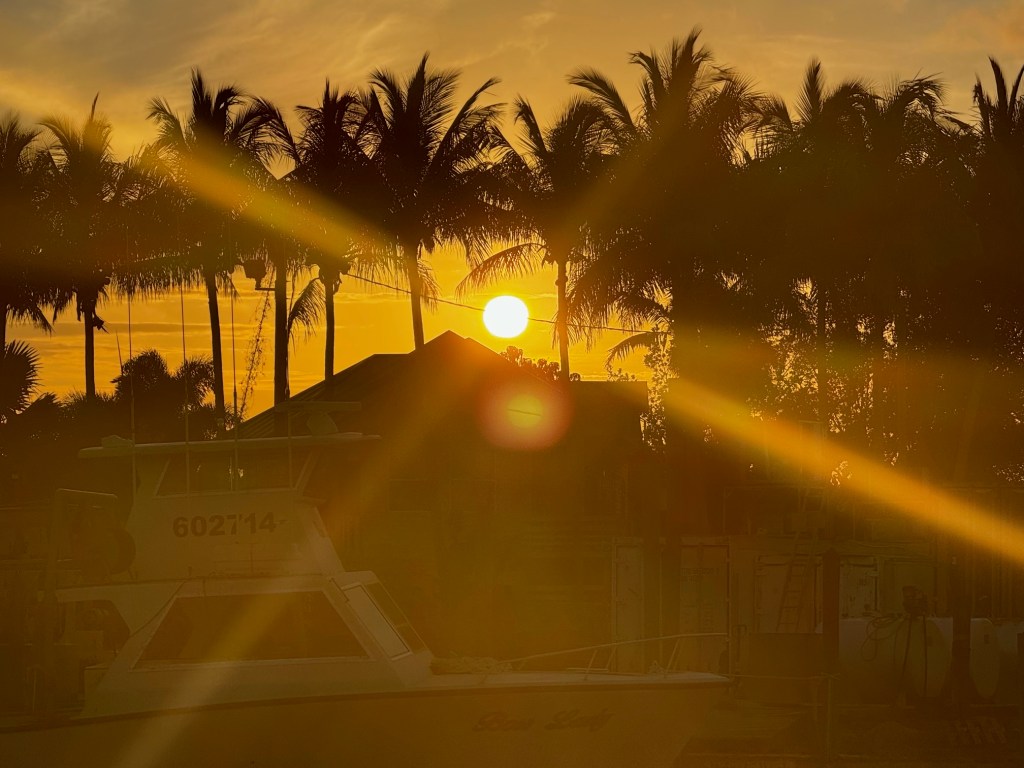
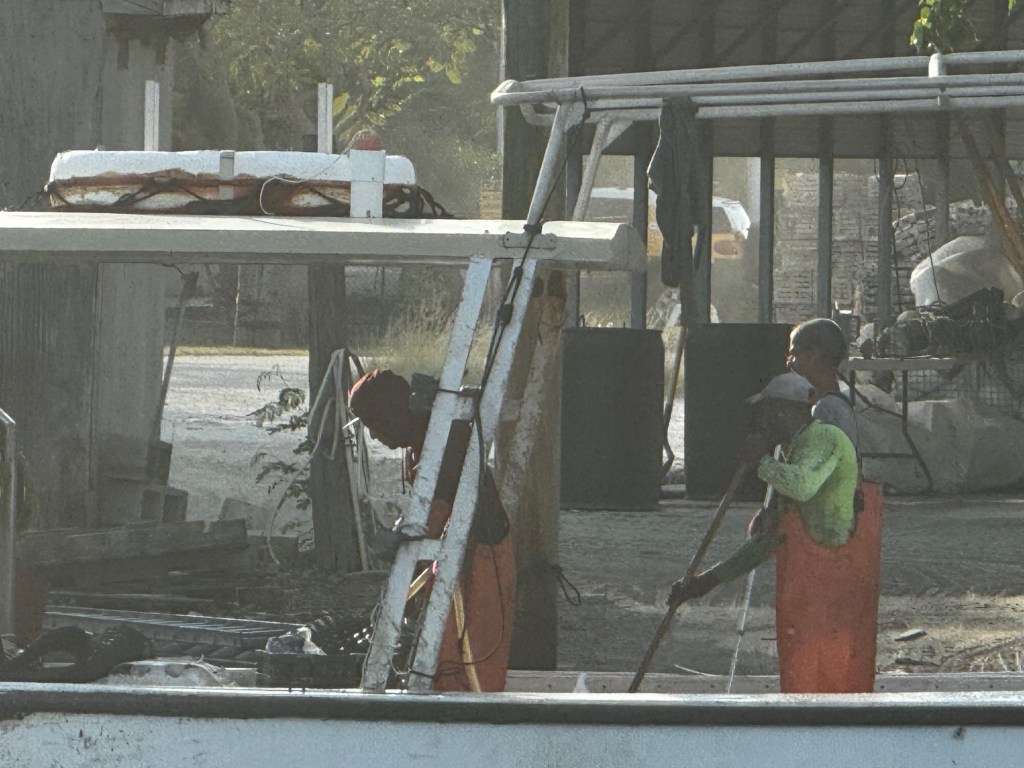
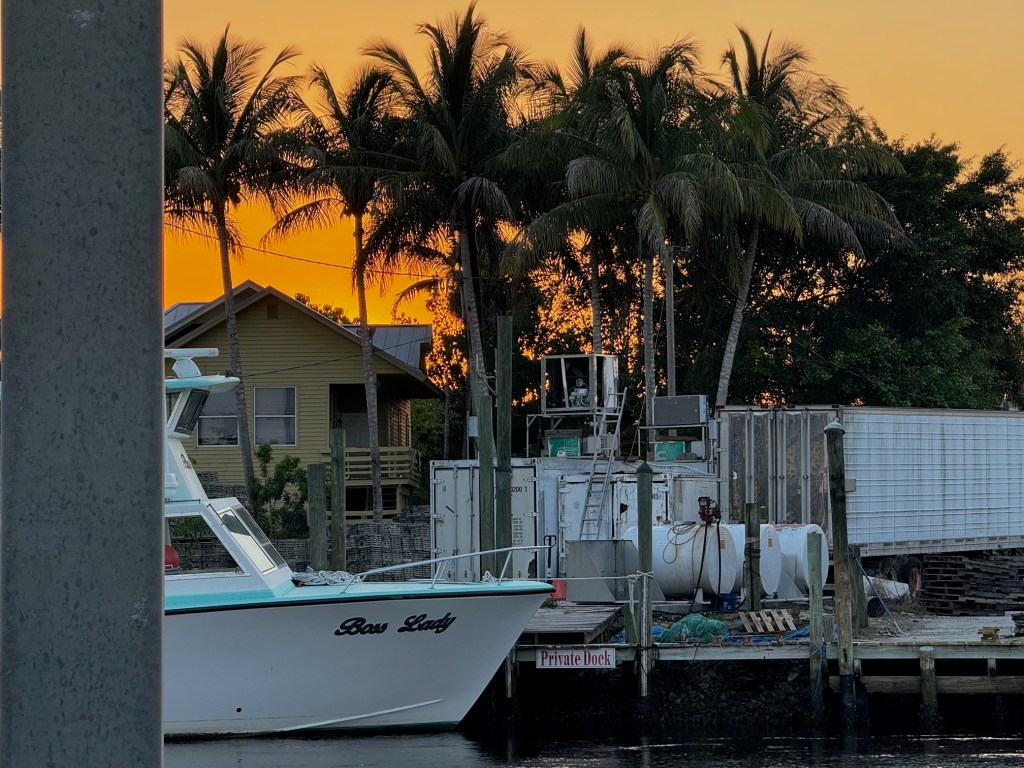
Everglades City, located in Collier County, Florida, has a rich and varied history. The area was originally inhabited by the Calusa Native American tribe, who thrived in the region’s abundant natural resources. In the late 1800s, the town was established and became a hub for the Southwest Florida’s frontier.
It played a significant role in the construction of the Tamiami Trail, which was completed in 1928, connecting Tampa to Miami and opening up the Everglades region for development. During the early to mid-20th century, Everglades City was a thriving hub for the fishing and stone crab industries.
Notably, the city also gained notoriety as a center for the illegal activities of the infamous “Outlaws” during the 1970s, including smuggling and drug operations.
The rich history of Everglades City is interwoven with the unique ecosystem of the Everglades, making it a compelling destination for history enthusiasts and nature lovers alike.
Back Tomorrow.
 The Long West Coast Summer Trip.